

Choosing the right finance for your business property purchase can mean the difference between securing your ideal premises and missing out entirely. While both commercial mortgages and bridging loans help businesses acquire property, they serve completely different purposes and timescales.
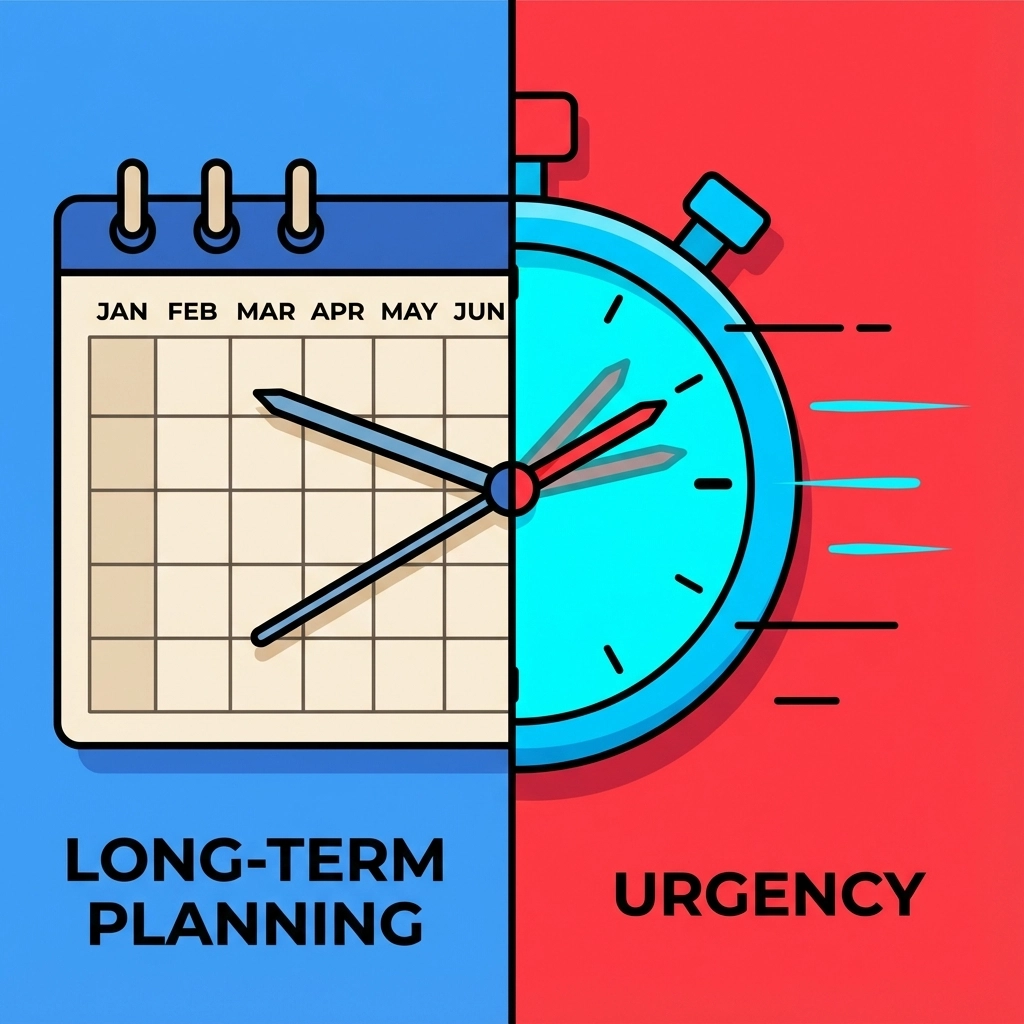
The fundamental question isn't which option costs less upfront, but which aligns with your business timeline and long-term strategy. Getting this decision wrong can cost thousands in unnecessary fees or, worse, losing out on time-sensitive opportunities.
Understanding Commercial Mortgages
Commercial mortgages are long-term financing solutions designed for businesses purchasing property they'll occupy or hold as investments. These loans typically span 15-25 years, with some extending to 30 years depending on the lender and property type.
The application process for commercial mortgages involves comprehensive due diligence. Lenders examine your business accounts for at least two years, assess cash flow projections, and conduct detailed property valuations. This thorough approach typically takes 4-8 weeks from application to completion.
Interest rates for commercial mortgages currently range from 4.5% to 8%, depending on the deposit size, business profile, and property type. Most lenders require deposits of 25-40%, though some specialist products accept as little as 15% for strong applicants.
Monthly repayments include both capital and interest, similar to residential mortgages. This predictable structure helps businesses plan their cash flow over the loan term.

Understanding Bridging Loans
Bridging finance operates on an entirely different model. These short-term loans, typically lasting 3-18 months, are designed to "bridge" temporary funding gaps. The most common scenarios include purchasing at auction, buying before selling another property, or acquiring properties requiring immediate completion.
The speed of bridging finance is its greatest advantage. Applications can complete in as little as 7-14 days, with some specialist lenders funding within 48 hours for urgent cases. This rapid turnaround comes from simplified underwriting focused primarily on the property's security value rather than extensive business analysis.
Interest rates for bridging loans range from 0.5% to 2% per month (equivalent to 6-24% annually). While this appears significantly higher than commercial mortgages, the short-term nature means total interest costs can be manageable for urgent situations.
Most bridging lenders offer interest roll-up facilities, where monthly interest payments accumulate and are paid together when the loan redeems. This feature proves particularly valuable for businesses with limited immediate cash flow.
Key Differences That Matter
Speed vs. Cost Trade-off
The most significant difference lies in the speed versus cost equation. Commercial mortgages offer substantially lower interest rates but require extensive documentation and longer processing times. A business purchasing a £500,000 commercial property with a 75% commercial mortgage at 6% annually pays approximately £2,250 monthly in interest.
The same business using bridging finance at 1.5% monthly pays £5,625 monthly in interest. However, if they only need the bridging loan for three months before refinancing, the total interest cost is £16,875 compared to £27,000 for a full year of commercial mortgage payments.
Loan-to-Value Flexibility
Commercial mortgages typically cap at 75% loan-to-value, requiring substantial deposits. Bridging lenders often advance up to 80-90% of property value, with some offering 100% funding when additional security is provided.
This higher lending percentage proves crucial for businesses with limited liquid capital or those pursuing multiple acquisitions simultaneously.
Exit Strategy Requirements
Commercial mortgages assume long-term ownership with gradual capital repayment. Bridging loans demand clear exit strategies from day one. Common exit routes include property sale, refinancing to commercial mortgages, or business cash injection.
Frequently Asked Questions
What's the main difference between commercial and bridging finance?
The primary difference is duration and purpose. Commercial mortgages are long-term loans (15-25 years) for permanent property financing with lower interest rates but longer approval times. Bridging loans are short-term solutions (3-18 months) for immediate funding needs with higher rates but rapid approval.
Commercial mortgages suit businesses planning long-term property ownership, while bridging loans help when speed is essential or when transitioning between properties.
Can I get a commercial mortgage as a first-time investor?
Yes, first-time commercial property investors can secure commercial mortgages, though terms may be more restrictive. Lenders typically require:
- Minimum 25-30% deposits (higher than experienced investors)
- Comprehensive business plans demonstrating property management capability
- Strong personal credit histories and business financials
- Evidence of relevant property or business experience, even if not specifically commercial
Some lenders offer specialist first-time investor products with mentoring support and graduated lending limits as portfolios grow.
How do lenders value commercial properties?
Commercial property valuation differs significantly from residential assessment. Lenders commission RICS-qualified commercial surveyors who evaluate:
- Current rental income and market rental values
- Property condition and required maintenance
- Location desirability and comparable sales
- Potential for rental growth
- Tenant quality and lease terms
Investment properties are often valued using rental yield calculations, where annual rental income divided by property value determines attractiveness. Lenders typically seek minimum yields of 6-8% depending on location and property type.
Real-World Application Scenarios
Scenario 1: Manufacturing Business Expansion
A manufacturing company identified perfect premises for expansion but faced a six-month wait for commercial mortgage approval. Using bridging finance, they secured the property within two weeks, preventing competitors from acquiring it. After completing the purchase, they arranged commercial mortgage refinancing, replacing the bridging loan with long-term affordable finance.
Scenario 2: Restaurant Chain Development
A restaurant operator found an ideal high-street location requiring immediate purchase to prevent lease assignment to competitors. Bridging finance enabled same-day agreement, with refinancing to commercial mortgage completing three months later once the restaurant's trading figures proved the location's viability.
Scenario 3: Property Investment Portfolio
An experienced property investor used bridging finance to purchase three commercial units simultaneously at auction, then refinanced each property individually with commercial mortgages over subsequent months. This strategy enabled portfolio expansion impossible with traditional financing timescales.

Making the Right Choice for Your Business
Choose commercial mortgages when you have sufficient time for applications, seek the lowest ongoing costs, and plan long-term property ownership. These loans suit established businesses with predictable cash flows and clear long-term strategies.
Bridging loans become essential when facing time-pressured opportunities, purchasing at auction, or needing to act before existing properties sell. They're particularly valuable for businesses confident in their exit strategy and comfortable with short-term higher costs for strategic advantages.
Many successful businesses use both products strategically – bridging finance for immediate opportunities, followed by commercial mortgage refinancing for long-term stability.
Working with Specialist Brokers
Commercial property finance involves complex regulations and specialist lender criteria that vary significantly between institutions. Working with experienced commercial finance brokers ensures access to the most suitable products for your specific circumstances.
At Hunter Capital, we maintain relationships with both commercial mortgage lenders and specialist bridging finance providers. This dual expertise enables us to structure finance packages that optimize both immediate needs and long-term business objectives.
Our approach involves understanding your complete business strategy, not just immediate funding requirements. Whether you need rapid bridging finance for urgent opportunities or structured commercial mortgages for portfolio development, we ensure you access the most appropriate solutions.
Ready to explore commercial property finance options? Contact our commercial finance specialists for a consultation tailored to your business requirements, or learn more about our bridging finance solutions for time-sensitive opportunities.
Facebook Summary: Confused about commercial mortgages vs. bridging loans? Commercial mortgages offer long-term, low-cost property financing, while bridging loans provide rapid funding for urgent opportunities. Learn which option suits your business timeline and budget.