

The buy-to-let mortgage landscape has shifted dramatically in 2026, with lenders implementing stricter criteria and new regulatory requirements. Many property investors find themselves facing rejection after rejection, despite having what they thought were solid financial foundations. The challenge isn't just about having enough money – it's about presenting your application in a way that ticks every box lenders are now looking for.
Recent changes in lending criteria mean that what worked for buy-to-let mortgages in previous years simply won't cut it anymore. Lenders are scrutinising applications more carefully, demanding higher deposits, better credit scores, and more comprehensive documentation than ever before.
The New Financial Reality: What Lenders Actually Want
Deposit Requirements Have Increased
The minimum deposit for buy-to-let mortgages in 2026 sits firmly at 25% of the property value. While some specialist lenders might consider applications with 20% deposits, these come with significantly higher interest rates and stricter criteria.
For a £200,000 investment property, you're looking at a minimum £50,000 deposit. However, putting down 25% rather than the minimum often unlocks better rates and more flexible terms. The additional 5% deposit can save thousands in interest payments over the mortgage term.

Credit Score Thresholds Are Rising
Lenders now expect a minimum credit score of 680 for applications with 20% deposits, rising to 740+ for the most competitive rates. Those with scores between 620-680 can still qualify, but only with deposits of 25% or higher.
The difference in rates is substantial. An applicant improving their credit score from 680 to 740 could see interest rate reductions of up to 1%, translating to savings of £2,000 annually on a £200,000 mortgage.
Income and Rental Yield Calculations
Lenders assess affordability using a rental stress test, typically requiring the monthly rental income to cover 125-145% of the mortgage payment. They'll count 75% of the expected rental income when calculating your qualifying income, accounting for void periods and maintenance costs.
For multiple property owners, new guidelines mean that if more than 50% of your qualifying income comes from rental properties, expect higher rates or additional scrutiny from lenders.
Frequently Asked Questions
What deposit do I need for a buy to let?
The standard deposit requirement for buy-to-let mortgages in 2026 is 25% of the property value. While some lenders accept 20%, this typically comes with higher interest rates and more restrictive terms.
For first-time buy-to-let investors, many lenders require the full 25% deposit regardless of credit score or income. Experienced landlords with strong portfolios might negotiate slightly lower deposits with specialist lenders, but 25% remains the market standard.
The deposit requirement also varies by property type. Standard residential properties require 25%, while HMOs (Houses in Multiple Occupation) often demand 30-35% deposits due to their perceived higher risk.
Can I get a buy to let as a first-time buyer?
Yes, but the path is more challenging in 2026. Most mainstream lenders require applicants to be existing homeowners before considering buy-to-let applications. However, specialist lenders do cater to first-time buy-to-let investors.
First-time buy-to-let applicants typically face:
- Higher deposit requirements (often 30% rather than 25%)
- Stricter income criteria (usually requiring £25,000+ annual income from employment)
- Limited product choice (fewer lenders and mortgage products available)
- Higher interest rates (typically 0.25-0.5% above standard buy-to-let rates)
The key is demonstrating financial stability through employment income rather than relying solely on projected rental returns. Many successful first-time buy-to-let investors work with specialist brokers who understand which lenders accept these applications.
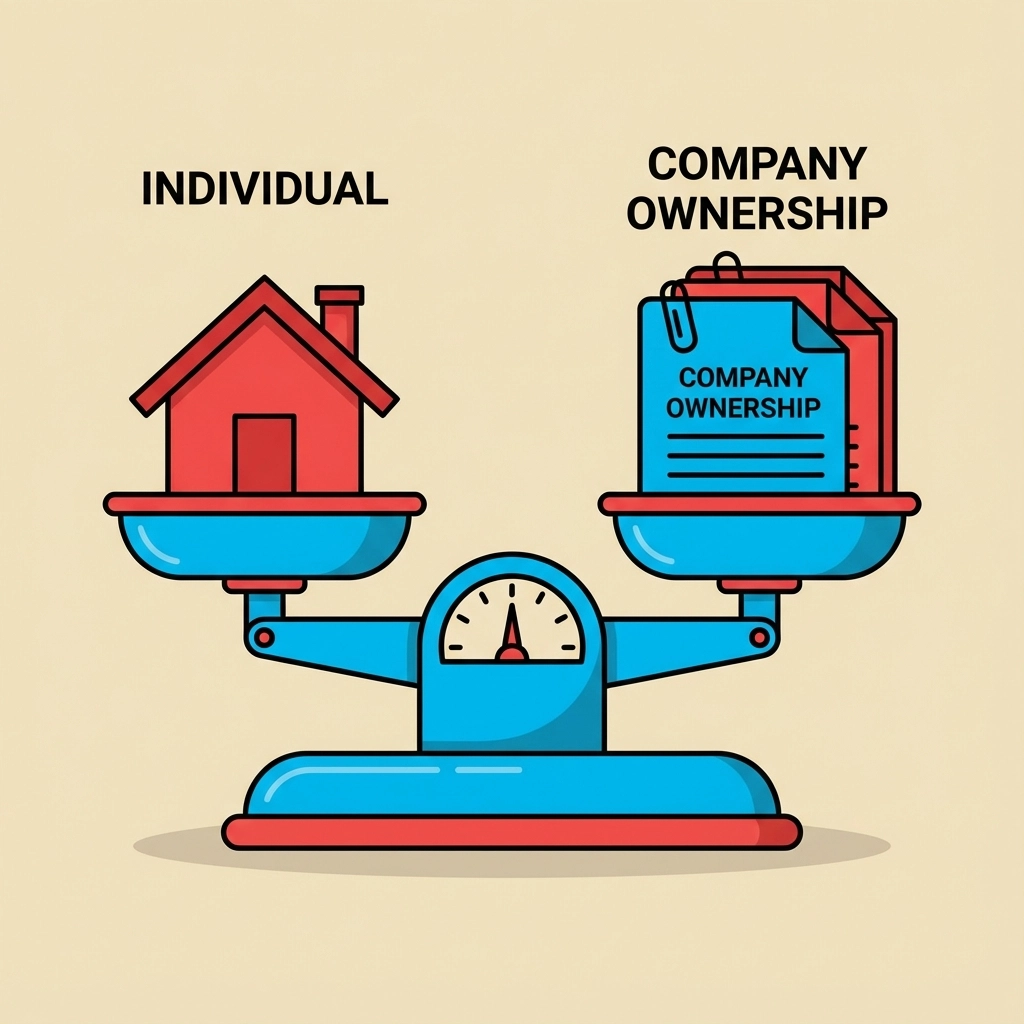
What's the difference between individual and LTD company buy to lets?
The choice between individual ownership and limited company purchase significantly impacts your mortgage options and tax position in 2026.
Individual Ownership:
- More lender choice (most lenders accept individual applications)
- Simpler application process
- Higher personal tax liability due to Section 24 restrictions
- Rental income taxed at personal income tax rates
- Limited mortgage interest relief
Limited Company Ownership:
- Fewer lender options (around 60% of buy-to-let lenders accept SPV companies)
- More complex application process requiring company accounts
- Corporation tax rates (currently 25% for profits over £50,000)
- Full mortgage interest relief available
- Potential inheritance tax advantages
Many investors switching to limited company structures face higher mortgage rates (typically 0.25-0.5% additional) but benefit from significant tax savings, especially higher-rate taxpayers.

Essential Documentation for 2026 Applications
Personal Financial Documents
Lenders require comprehensive financial documentation, with applications often falling at the first hurdle due to incomplete paperwork. Essential documents include:
Income Verification:
- Two years of SA302 forms and tax year overviews for self-employed applicants
- Three months of payslips and P60 for employed applicants
- Two years of company accounts for limited company applications
Bank Statements:
- Three months of personal bank statements
- Business account statements if self-employed
- Evidence of deposit source (savings history, gift letters, or sale proceeds)
Property and Rental Documentation
Rental Assessment:
- Professional rental assessment or existing tenancy agreements
- Local rental comparables showing market rates
- Energy Performance Certificate (minimum rating E required from 2026)
Property Details:
- Full structural survey for properties over 100 years old
- Planning permission documentation for any alterations
- Leasehold information if applicable (minimum 85 years remaining lease term)
Cash Reserves and Ongoing Costs
Successful buy-to-let investors in 2026 maintain cash reserves covering 6-12 months of mortgage payments. This demonstrates to lenders your ability to service the mortgage during void periods.
Beyond the deposit, factor in additional costs:
- Stamp Duty: Additional 3% surcharge on purchase price
- Legal Fees: £1,500-£3,000 for purchase and mortgage arrangement
- Survey Costs: £500-£1,500 depending on property type and age
- Mortgage Arrangement Fees: Often £1,500-£2,000
- Landlord Insurance: Typically 15-25% higher than standard home insurance
Interest Rates and Product Selection
Buy-to-let mortgage rates in 2026 sit 0.5-0.75% higher than residential mortgage rates. The best rates are reserved for applications with:
- 25% deposits or higher
- Credit scores above 740
- Proven landlord experience
- Strong rental yield (6%+ in most areas)
Fixed-rate products dominate the market, with 2 and 5-year fixes most popular. Tracker rates have largely disappeared due to market volatility, while variable rates carry significant risk given economic uncertainty.
Working with Mortgage Brokers
The complexity of 2026's buy-to-let market makes professional guidance invaluable. Specialist buy-to-let brokers access products unavailable through high street banks and understand which lenders suit specific circumstances.
Hunter Capital works with over 200 lenders, including specialist providers focusing on complex cases like first-time buy-to-let investors, portfolio landlords, and limited company purchases. This extensive panel means finding solutions even when mainstream lenders say no.
Timeline and Process Management
Successful buy-to-let mortgage applications in 2026 typically take 6-8 weeks from application to completion. However, this timeline depends heavily on preparation quality and lender choice.
The process breaks down as:
- Weeks 1-2: Application submission and initial underwriting
- Weeks 3-4: Property valuation and detailed affordability assessment
- Weeks 5-6: Final underwriting and mortgage offer production
- Weeks 7-8: Legal completion and fund release

Common Pitfalls to Avoid
Insufficient Deposit Source Evidence: Lenders require clear paper trails for all deposit funds. Money appearing suddenly in accounts without explanation causes delays or rejections.
Unrealistic Rental Assessments: Over-optimistic rental projections lead to application failure. Use professional letting agent valuations rather than online estimates.
Incomplete Company Documentation: Limited company applications require up-to-date company accounts, even for new companies. Ensure all Companies House filings are current.
Credit File Issues: Undisclosed credit problems discovered during underwriting cause immediate rejections. Check your credit file before applying and address any issues.
Next Steps: Getting Your Application Right First Time
Buy-to-let mortgage success in 2026 depends on thorough preparation and expert guidance. The increased complexity of lender criteria means DIY applications carry high rejection risks, potentially damaging your credit file and limiting future options.
At Hunter Capital, we've helped hundreds of property investors navigate these challenging conditions, securing mortgages even when high street banks refuse applications. Our team understands exactly what each lender wants to see and how to present your application for maximum success.
Ready to start your buy-to-let journey? Contact our specialist team for a no-obligation consultation. We'll assess your circumstances, recommend suitable lenders, and guide you through every step of the process. Visit huntercapital.co.uk or call us today to discuss your requirements.
Facebook Summary: Getting approved for a buy-to-let mortgage in 2026 requires meeting stricter criteria including 25% deposits, higher credit scores, and comprehensive documentation. With the right preparation and expert guidance, property investment remains profitable despite increased complexity.