Facebook Summary:
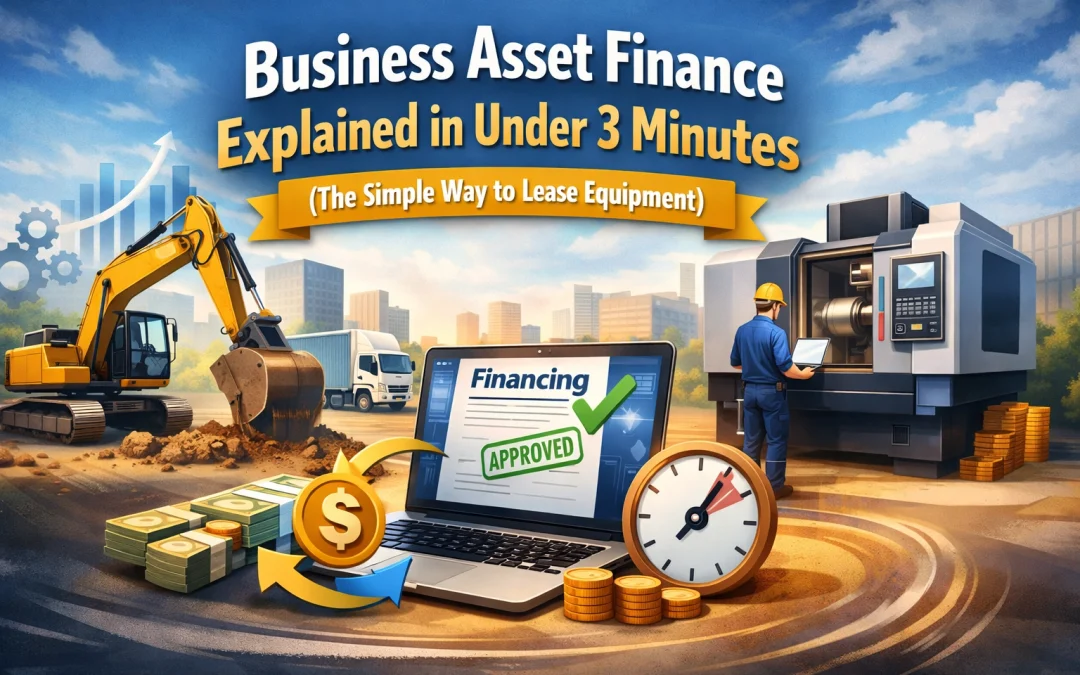
Looking to upgrade your business equipment without draining your bank account? Asset finance is the secret to growing your business fast while keeping your cash flow healthy. Check out our simple guide to leasing and buying the tools you need to succeed.
If you’re running a business in Oldham, whether it’s a bustling café in Chadderton or a growing construction firm, you know that equipment is expensive. You need the latest tools to stay competitive, but dropping £50,000 on a new van, a CNC machine, or a suite of high-end computers can feel like a punch to your cash flow.
That’s where Business Asset Finance comes in.
In this guide, we’re going to break down exactly what it is, how it works, and why it might be the smartest move you make for your business this year. And the best part? We’ll keep it simple. No banking jargon, just the facts.
What is Business Asset Finance?
In the simplest terms, asset finance is a way of spreading the cost of an item over its useful life. Instead of paying for a piece of equipment upfront, a lender buys it for you, and you pay them back in manageable monthly instalments.
Think of it like a mortgage for your business kit. Just like you wouldn’t wait until you had £300,000 in cash to buy a house, you don’t have to wait until you have tens of thousands of pounds to upgrade your business equipment.
The "asset" itself usually acts as the security for the loan. This means that if things go south, the lender can take the equipment back, which often makes it easier to get approved for than a standard unsecured business loan.

The 3-Minute Breakdown: How it Actually Works
If you only have three minutes to spare, here is the "cheat sheet" version of asset finance:
- You Choose the Equipment: You find the exact van, oven, or software your business needs.
- The Lender Buys It: A company like Hunter Capital helps you find a lender who buys that item from the supplier.
- You Use It Immediately: The equipment is delivered to your premises, and you start using it to make money.
- You Pay Monthly: You pay a fixed monthly fee (plus interest) over a set period (usually 1 to 7 years).
- You Keep Your Cash: Your bank balance stays healthy, allowing you to pay staff, cover rent, and invest in marketing.
Why Small Businesses Love Asset Finance
The biggest hurdle for any small business is "working capital." This is the money you have available to run your day-to-day operations. When you spend all your capital on a single piece of machinery, you leave yourself vulnerable if a slow month hits or an unexpected bill arrives.
Asset finance solves this by preserving your cash. Instead of one giant exit of money, you have a predictable, small monthly cost.
It’s also incredibly flexible. Whether you are looking at commercial mortgages vs bridging loans for your property or just need a new delivery truck, asset finance fits alongside your other financial commitments without getting in the way.
Hire Purchase vs. Leasing: Which is Better?
There are two main ways to structure asset finance. Both get the equipment in your hands, but they handle ownership differently.
1. Hire Purchase (HP)
With Hire Purchase, the goal is ownership. You pay a deposit (usually the VAT) and then make monthly payments. Once the final payment is made, you own the asset outright. This is great for items that have a long lifespan, like heavy machinery or vehicles.
2. Finance Leasing
With a lease, you’re essentially "renting" the equipment for a long period. At the end of the term, you can usually upgrade to the newest model, extend the lease, or sell the item and keep a share of the profits. This is perfect for technology or medical equipment that goes out of date quickly.
What Can You Finance? (It’s More Than Just Vans)
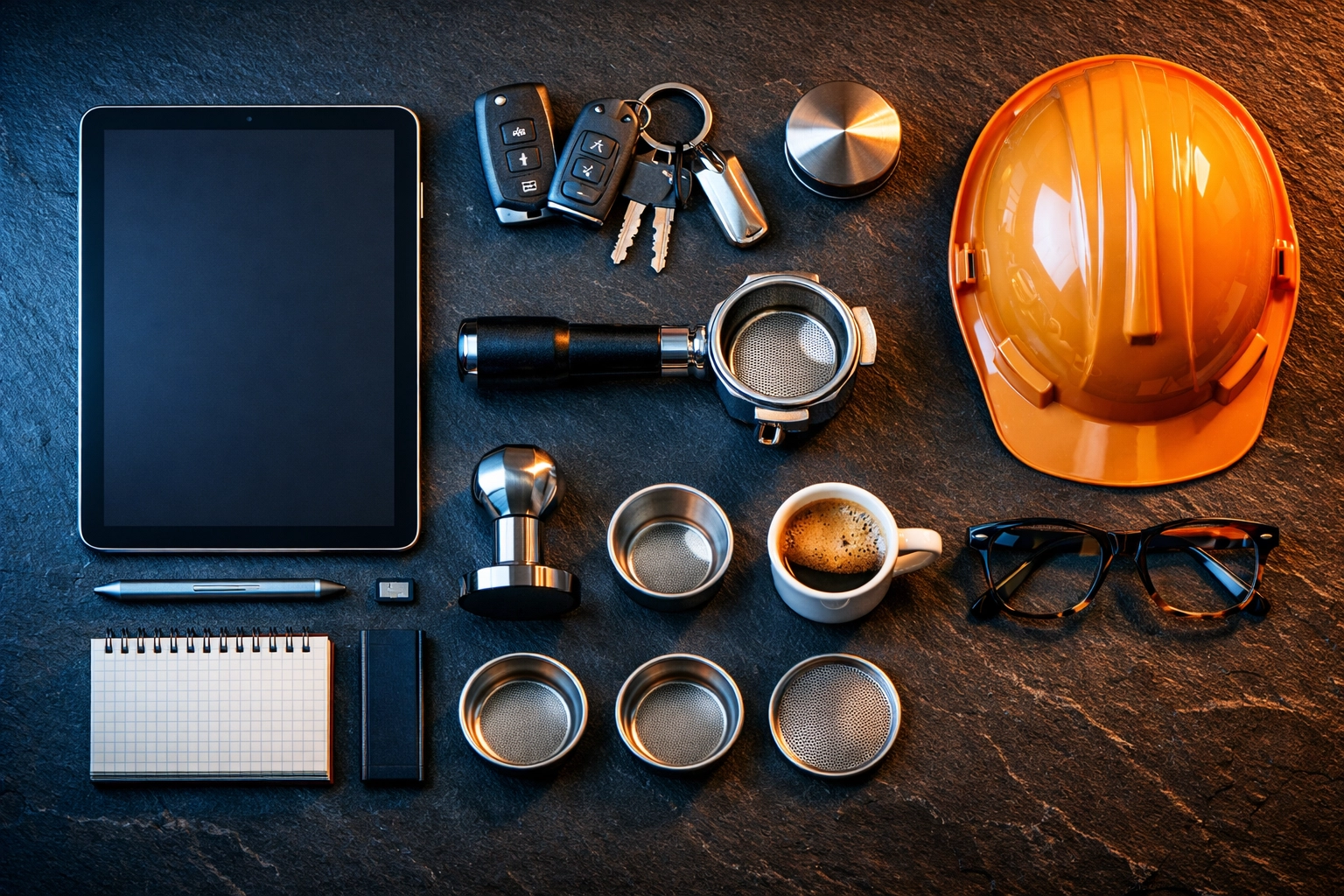
Many business owners think asset finance is only for big trucks. In reality, you can use it for almost anything "tangible" that helps your business run. At Hunter Capital, we’ve seen businesses finance:
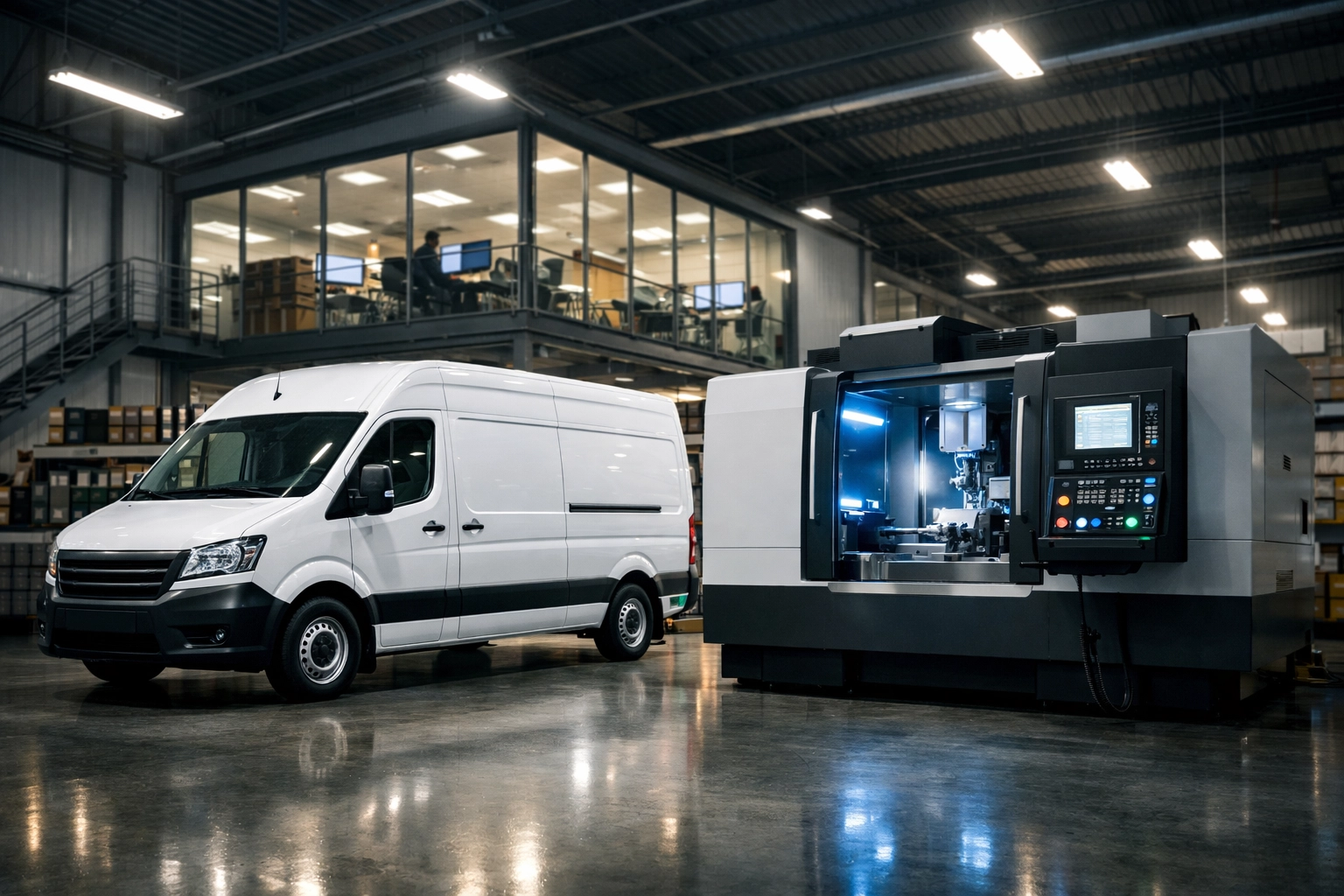
- Vehicles: Vans, cars, HGVs, and even electric vehicle fleets.
- Plant & Machinery: Diggers, CNC machines, and printing presses.
- Office & Tech: High-end laptops, servers, and even office furniture.
- Hospitality Kit: Commercial ovens, coffee machines, and refrigeration units.
- Medical Equipment: X-ray machines or dental chairs.
If you can touch it and it helps your business grow, there’s a good chance you can finance it.
Asset Finance in the Local Context: Oldham and Beyond
At Hunter Capital, we’re based in Oldham, and we see how the local landscape is changing. With areas like Chadderton seeing a real boom in property and business activity, competition is high. To stay ahead, you need the best equipment.
Using asset finance allows a local Oldham business to compete with national chains. You get the same high-end tech or efficient transport as the "big guys," but with a payment structure that fits a smaller, local budget. Whether you're a first-time business owner or an experienced property developer, keeping your cash liquid is the smartest way to manage growth.
Is Asset Finance Right for You?
Ask yourself these three questions:
- Does the equipment make me money? If the asset increases your productivity or allows you to take on more jobs, it should pay for its own monthly finance cost.
- Will I need my cash for something else? If you have a rainy-day fund or need to hire more staff soon, don't tie your cash up in equipment.
- Does the equipment get outdated quickly? If so, a lease is a great way to ensure you can always upgrade to the latest version without the hassle of selling old kit.
If you answered "yes" to any of these, asset finance is likely a no-brainer.
How to Get Started with Hunter Capital
Navigating the world of business finance can feel overwhelming, but it doesn't have to be. Our director, Naz Islam, and the whole team at Hunter Capital are dedicated to making the process as simple as possible.
We don’t just look at numbers; we look at your business goals. We help you find the right lender and the right structure so you can focus on what you do best: running your business.

Frequently Asked Questions
Do I need a perfect credit score?
While a good credit score helps, asset finance is often more accessible than a standard bank loan because the asset itself acts as security. This means lenders are often more willing to work with businesses that aren't "perfect" on paper.
How long does the process take?
Usually, it’s much faster than a mortgage. In many cases, we can get an "in principle" decision within 24 to 48 hours, meaning you can have your new equipment working for you in less than a week.
Can I finance used equipment?
Yes! Many lenders are happy to finance second-hand machinery or vehicles, provided they are in good working condition and have a clear history.
What are the tax benefits?
Depending on how you structure the finance (HP vs Lease), you can often offset the monthly payments or the interest against your business profits, which can reduce your tax bill. Always check with your accountant for the latest rules!
Ready to Grow Your Business?
Don’t let a lack of upfront cash hold your business back. Whether you’re looking to kit out a new office, upgrade your fleet, or invest in heavy machinery, asset finance is the simple, stress-free way to make it happen.
Stop waiting for "one day" and start growing today.
Speak to the team at Hunter Capital for simple, expert advice tailored to your business. We’ll cut through the noise and find the best deal for you.
Book your free consultation with Hunter Capital here.
Want to learn more about property and business in the area? Check out our Chadderton property guide or find out why a local mortgage broker is better than a high-street bank.