

Facebook Summary: Shopping for a mortgage in 2026? Don't just chase the lowest rate. Learn the 5 crucial factors that actually matter when picking a mortgage company, from hidden fees to specialist expertise. Get it right the first time.
Let's be honest: finding the right mortgage company shouldn't feel like decoding a treasure map. Yet here we are in 2026, and many people are still making the same mistake, picking their lender based purely on who screams the lowest interest rate from the rooftops.
The truth? That "market-leading" rate might come with arrangement fees that would make your eyes water, or criteria so strict you'd need a perfect credit score and a signed letter from the Queen to qualify.
Whether you're a first-time buyer trying to get on the ladder in Oldham, a landlord expanding your buy to let portfolio, or someone looking to remortgage before rates shift again, here are the five things you actually need to know before choosing a mortgage company.
1. Look at the APRC, Not Just the Headline Rate
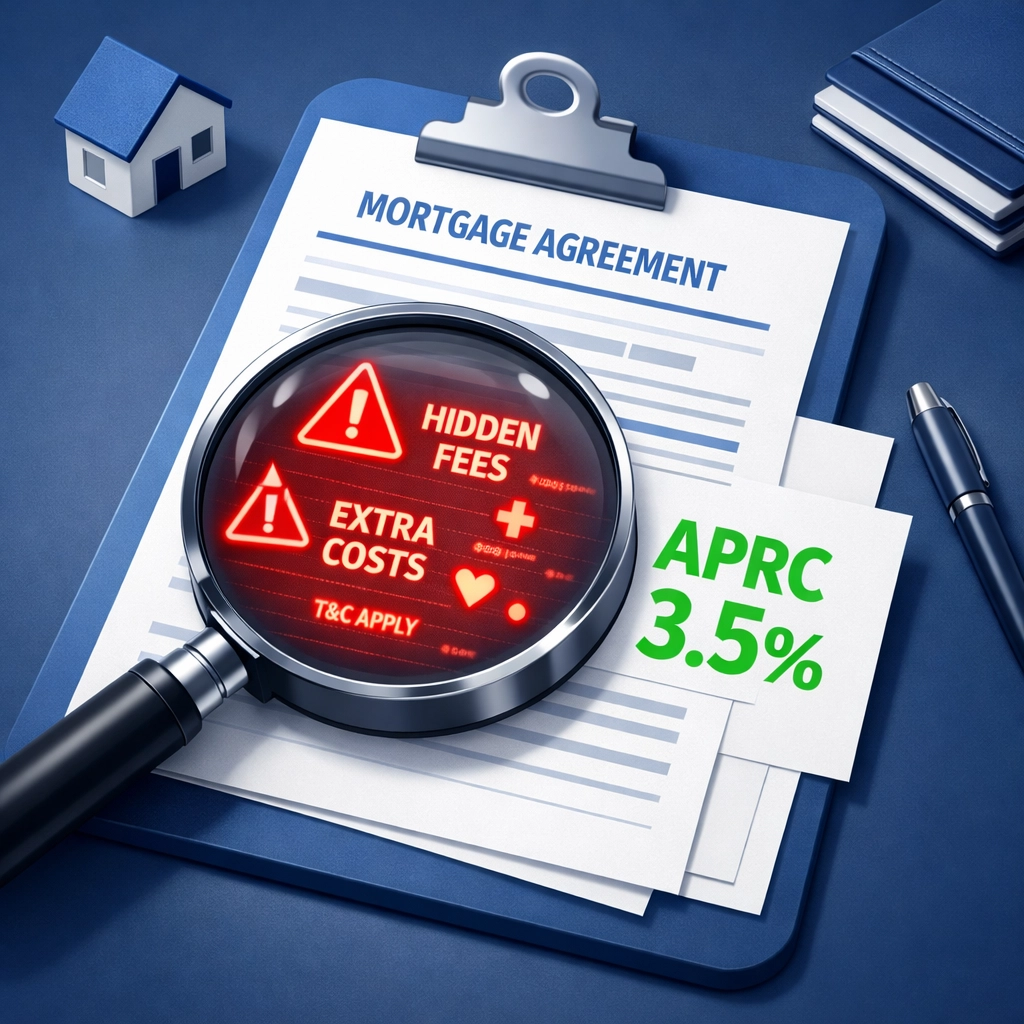
You've seen them, those adverts shouting "1.99% FIXED!" in massive letters. What they don't shout about is the £2,000 arrangement fee, the £500 valuation charge, and the compulsory buildings insurance you have to buy through them.
This is where the APRC (Annual Percentage Rate of Charge) becomes your best mate. It shows you the true cost of the mortgage over its lifetime, including all those sneaky fees they've tucked away in the small print.
For example, a 2.5% rate with no fees might actually work out cheaper than a 2.0% rate with £3,000 in upfront costs, especially if you're only planning to stay on that deal for two or three years.
A good mortgage broker will calculate this for you automatically, comparing the real cost across different lenders. If someone's only waving rates in your face without mentioning total cost, run. Fast.
2. Test Their Speed (Before You Actually Need Them)
Here's something nobody tells you: mortgage markets can move quickly. Really quickly.
In Oldham's property market, a decent house can have three offers on it within 48 hours. If your mortgage company takes five days to return a phone call or two weeks to issue a Decision in Principle, you're going to lose out. Simple as that.
How to test their speed:
- Ring them on a Tuesday afternoon. Do they answer, or does it go to voicemail purgatory?
- Ask a specific question via email. Do you get a helpful response within 24 hours, or a generic "we'll get back to you" auto-reply?
- Check recent Google reviews specifically mentioning response times and turnaround speed
For residential mortgages and buy to let mortgages alike, speed matters. You want a company (or mortgage broker) who treats your application like it's urgent, because it is.
The best ones will have your Decision in Principle sorted within hours, not days. At Hunter Capital, we pride ourselves on same-day responses because we know Oldham property doesn't hang around waiting for paperwork.
3. Do They Actually Handle Specialist Cases?

Here's where many high-street banks fall flat on their face.
Got a slightly unusual income? Self-employed? Work as a contractor or a nurse with irregular shift patterns? Want a buy to let mortgage but your rental property has six bedrooms? Foreign national buying in the UK?
Big banks often use computer systems that spit out automatic "no" decisions for anything that doesn't fit their neat little boxes. They're not being mean, they're just built for vanilla, straightforward cases.
This is where specialist mortgage brokers shine. They know which lenders love nurses, which ones are brilliant for landlords with complex portfolios, and which niche lenders will consider scenarios the high street won't touch.
If you're a landlord looking at HMO mortgages, a standard bank probably isn't going to cut it. You need someone who knows the specialist lenders inside out, the ones who understand that an HMO in Oldham can be a brilliant investment, not a red flag.
At Hunter Capital, we've helped everyone from first-time buyers with student loans still on their credit file to property investors building 20+ unit portfolios. The difference? We know which doors to knock on.
4. The 'Menu Test': Broker vs. Direct Lender
Think of it this way: would you rather eat at a restaurant that only serves ham sandwiches, or one with a full menu?
Direct lenders (banks and building societies) can only offer you their own products. If their rates aren't competitive this month, or if their criteria don't fit your situation, tough luck. You're shopping at a one-item shop.
Mortgage brokers compare deals from 100+ lenders. They're scanning the whole market, including smaller building societies and specialist lenders you've never heard of, to find what actually works for you.
This matters enormously for buy to let mortgages and remortgages. Lender criteria changes constantly. One month, Lender A has brilliant rates for city-centre flats. The next month, they've tightened their lending and now Lender B is king. A broker tracks all of this so you don't have to.
Plus, many of the best deals aren't available directly to the public, they're broker-exclusive. You literally can't access them without going through a mortgage broker like us.
5. Make Sure It's 'Whole of Market' Advice

This one's sneaky, so pay attention.
Not all mortgage brokers are created equal. Some are "tied" to just a handful of lenders (often because those lenders pay them higher commissions). Others claim to be "independent" but only search a limited panel.
What you want is whole of market access. This means your broker can genuinely compare every available lender and isn't restricted by hidden commercial arrangements.
Ask directly: "Are you whole of market?" A good broker will say yes immediately and explain exactly how many lenders they work with. A dodgy one will dodge the question or use vague language like "we work with all the major lenders."
For residential mortgages, buy to let mortgages, and remortgaging, whole of market access can save you literally thousands over the term of your mortgage. It's the difference between getting "a mortgage" and getting the right mortgage.
Why Oldham Buyers Choose Hunter Capital
Look, we're not going to pretend we're the only mortgage broker in town. But here's what makes us different:
We're based right here in Oldham. We know the local property market inside out: which streets are up-and-coming, which buy to let areas give the best yields, and how to structure deals that work for Greater Manchester property prices.
We're whole of market, genuinely independent, and we don't mess about with response times. Our clients get their calls returned the same day, and we've built relationships with lenders that mean we can push applications through faster than most.
Whether you're buying your first home, building a property portfolio, or refinancing to release some equity, we'll compare over 100 lenders to find you the right deal: not just the cheapest rate with hidden nasties attached.
Frequently Asked Questions
What's the difference between a mortgage broker and a bank?
A bank can only offer you their own mortgage products. A mortgage broker compares deals from dozens (or hundreds) of different lenders to find you the best fit. Think of it like using a comparison site, but with expert human advice and access to exclusive deals you can't get directly.
How much does a mortgage broker cost?
Many brokers (including Hunter Capital) don't charge buyers directly: we're paid commission by the lender when your mortgage completes. Always ask upfront about fees. For specialist cases like large buy to let portfolios or bridging finance, some brokers do charge, but they'll tell you this from the start.
Should I use a local mortgage broker or a national one?
Both can work, but local brokers like us understand your specific property market better. We know Oldham prices, local solicitors who won't slow things down, and which lenders are actively lending in the Northwest right now. For buy to let mortgages especially, local knowledge is gold.
Can I get a mortgage if I'm self-employed?
Absolutely. It's trickier than employed income, but far from impossible. You'll typically need two years of accounts or tax returns, and some lenders are much more flexible than others. This is where a broker earns their keep: we know exactly which lenders are self-employed friendly.
What credit score do I need for a mortgage in 2026?
There's no magic number because every lender is different. Some high-street banks want 700+, while specialist lenders will consider people with scores in the 500s for certain products. A broker can check your eligibility across multiple lenders without harming your credit score.
How long does the mortgage process take?
From Decision in Principle to completion? Typically 8-12 weeks for a straightforward purchase, though we've done it faster when needed. Remortgages are usually quicker: around 4-6 weeks. Speed depends on how quickly solicitors move, how fast the valuation gets done, and whether your paperwork is in order.
Ready to Find Your Perfect Mortgage?
Stop playing rate roulette with your biggest financial decision. Whether you're after residential mortgages, buy to let mortgages, or want to explore remortgaging options, we'll compare the whole market to find you the right deal.
Book your free, no-obligation consultation with Hunter Capital today. We'll explain exactly what you can borrow, what it'll cost (the real cost, not just the headline rate), and what your best options are.
Call us or visit our website to get started. No jargon, no pressure, no nonsense: just honest mortgage advice from Oldham's trusted mortgage broker.